You wrapped every dish, taped every seam, and felt ready for the truck. Then came that stomach-dropping crunch as a box hit the floor and gave way. Broken boxes rank among the most common frustrations on moving day, and most of the damage traces back to a few avoidable mistakes.
Understanding why cardboard fails helps you pack with confidence. Moving companies Longview TX residents trust see the same box disasters over and over, from overloaded cartons to bargain-bin tape. Simple fixes prevent almost all of them, and none of those fixes cost much.
Here is a clear breakdown of why boxes break, followed by practical steps to stop it. Read through before your next pack, and your belongings will thank you.
Why Boxes Break in the First Place
Weight sits at the heart of most box failures. A carton packed with heavy books or canned goods can top forty pounds fast, and cardboard cannot handle that much for long. Bottoms sag, seams split, and the whole thing folds the moment someone lifts it.
Box size makes the problem worse in a sneaky way. Large boxes tempt you to fill every inch, which quickly turns a roomy carton into a back-breaking, seam-busting brick. Big boxes belong to light, bulky items like pillows and lampshades, not to your hardcover collection.
Mismatched contents crack under pressure too. Heavy items shift and press against the walls, and a single sharp edge can puncture cardboard from the inside. Matching the box to its contents keeps everything stable from pickup to drop-off.
Weak Boxes and Weak Taping Do the Rest
Recycled boxes look thrifty until they fail at the worst moment. Grocery-store and liquor-store cartons have already absorbed moisture, lost rigidity, and softened at the corners. Used boxes may hold snacks just fine, yet they crumple under the load of a real move.
Tape quality and technique matter more than most people expect. A single strip down the middle leaves the flaps free to burst the instant weight presses down. Reinforced packing tape, run along the seam and up the sides, locks the bottom in place.
Skip the masking tape and the dried-out roll from a junk drawer. Two inches of quality packing tape, applied in an H pattern across every seam, turns a flimsy bottom into a solid one. Strong seams carry strong loads.
Empty Space and Bad Stacking Finish the Job
Air is the enemy of a safe box. Empty gaps let items slide, collide, and shatter every time the carton tilts or drops. Filling voids with paper, towels, or foam keeps contents locked together and cushioned.
Stacking mistakes crush boxes that would have survived on their own. A heavy carton placed on a light one flattens whatever sits below, especially over a long, bumpy drive. Heavier boxes belong on the bottom, lighter boxes up top, every single time.
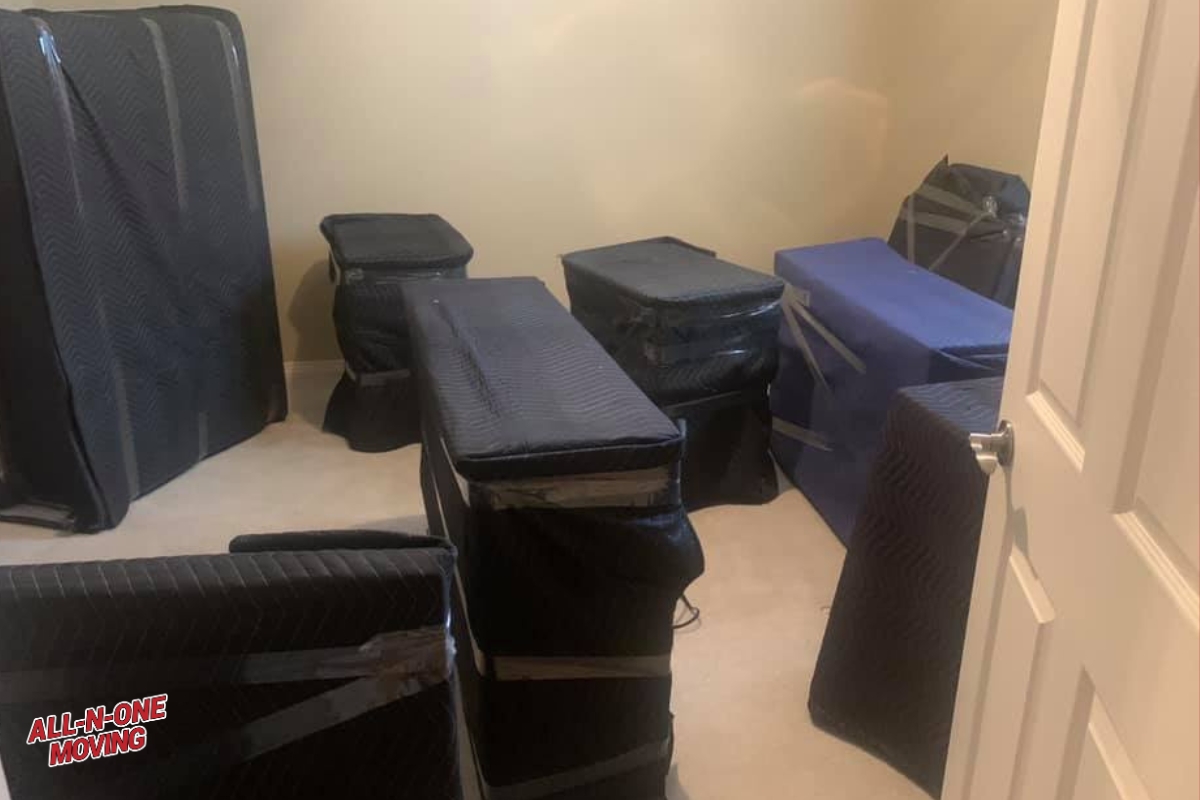
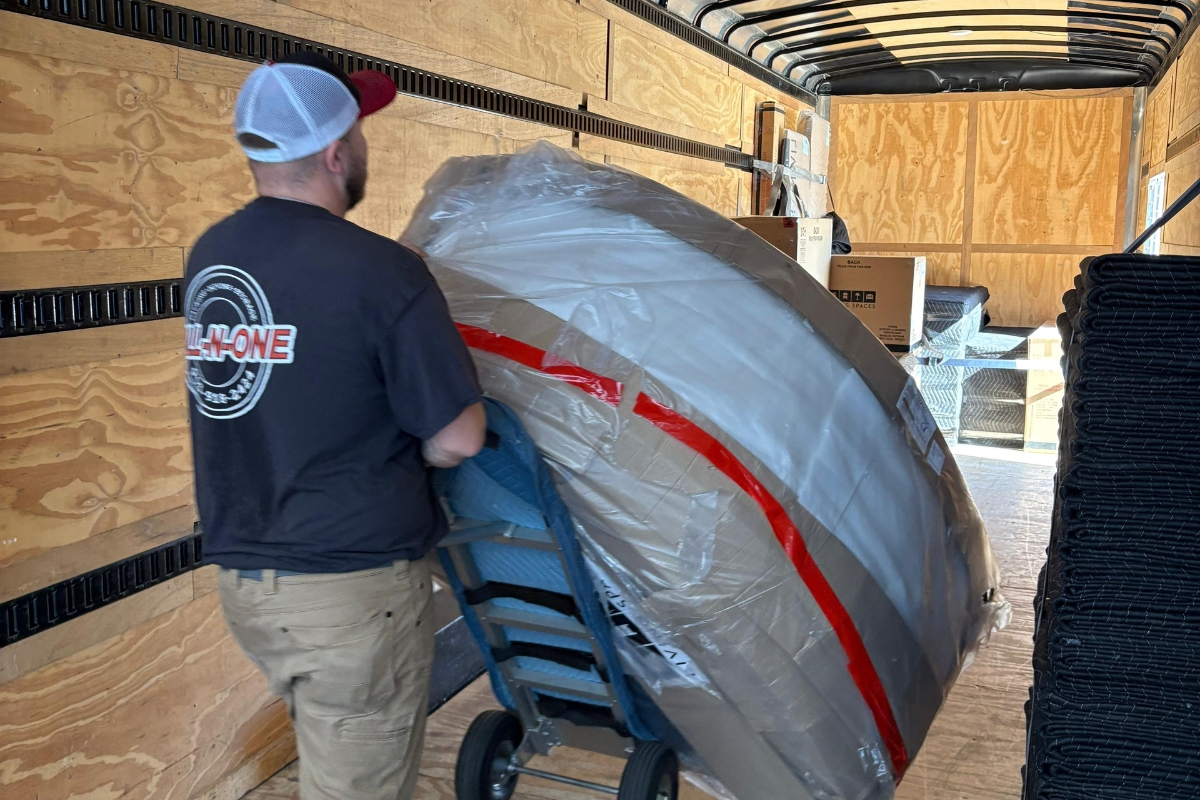
Loading order inside the truck decides the fate of your fragile boxes. Careful crews build tight, stable tiers so nothing shifts, leans, or topples in transit. Smart loading and unloading protects the work you put into packing, which is why crew experience counts.
How to Spot a Box That Will Not Make It
A quick inspection catches most doomed boxes before they ever reach the truck. Trust your hands and eyes, since a weak carton usually announces itself. Two seconds of checking beats a driveway full of broken glass.
- Press the sides and watch for bulging or flex, a clear sign the box holds too much weight.
- Check the corners and bottom for softness, dampness, or old crease lines that signal a tired, reused carton.
- Lift the box a few inches and notice any groan from the seams or shift in the contents.
- Look for tape that peels, lifts, or barely clings, because failing tape lets a full box burst open.
Any warning sign means repack before loading, not after the box lands on the ground.
How to Pack Boxes That Survive the Move
Good packing follows a short set of rules that anyone can master. Build these habits once, and broken boxes basically disappear from your moves. Small effort up front saves hours of cleanup and heartbreak later.
- Match every box to its contents, sending heavy items into small cartons and bulky, lightweight things into big ones.
- Cap each box around thirty pounds, light enough to lift comfortably without straining your back or splitting the seams.
- Buy sturdy new boxes rated for moving, since fresh corrugated cardboard holds far more weight than a softened grocery carton.
- Tape every seam in an H pattern with two-inch packing tape, reinforcing the bottom before you load a single item.
- Fill all empty space with paper or towels, then wrap fragile pieces individually so nothing rattles loose during transport.
- Label each box by room and mark the fragile ones clearly, so crews stack and carry them with extra care.
Professional packing services build these steps into every carton, so each box arrives as solid as it left. Fewer surprises on unpacking day make the whole move feel easier.
A Few Materials Worth the Small Investment
Better supplies do a lot of quiet work on moving day. A modest kit of the right materials pays for itself the moment nothing breaks. Small upgrades beat cheap shortcuts every time.
- Grab dish-pack boxes with reinforced double walls for kitchenware, since standard cartons rarely protect plates and glasses well.
- Pick up a roll of real bubble wrap for electronics, mirrors, and anything with a screen or sharp corner.
- Stock plenty of packing paper for filling voids, because crumpled paper cushions far better than stuffing towels alone.
- Keep wardrobe boxes on hand for hanging clothes, lamps, and awkward items that never sit flat in a carton.
Most of these supplies cost only a few dollars, and they save you far more in broken belongings.
The Items Most Likely to Break
Certain belongings account for the bulk of moving-day breakage. Knowing which ones need extra armor lets you focus your effort where it matters most. A little targeted care goes a long way here.
Dishes and glassware top the list by a wide margin. Wrap each piece separately, stack plates on their edges rather than flat, and cushion the box on all sides. Dish-pack cartons with extra-thick walls give kitchenware the best odds.
Electronics need snug, static-safe protection and firm support. Original boxes work best, though a well-padded carton with foam or bubble wrap does the job. Screens deserve a rigid layer on both faces so nothing flexes or cracks.
Mirrors, framed art, and lamps round out the high-risk group. Corner protectors, a taped X across glass, and plenty of padding shield flat, fragile surfaces. Lampshades ride best alone in their own lightly stuffed box, away from anything heavy.
Books, tools, and canned goods break boxes more than they break themselves. Split heavy loads across several small cartons so no single box turns into a hazard. Sturdy handles and reinforced bottoms make these dense boxes far easier to carry.
Your Pre-Pack Checklist
Run through this quick list before you seal a single box. State officials publish a broader moving checklist, and these quick steps keep your cartons intact. Ten minutes of prep saves you the crunch, the mess, and the replacement receipts.
- Gather new moving boxes in several sizes, quality packing tape, paper, bubble wrap, and a bold marker beforehand.
- Sort belongings by weight and fragility so each item lands in the right box with the right cushioning.
- Reinforce the bottom of every carton with an H-tape pattern before you place anything inside of it.
- Keep each finished box light enough that you can lift it without a grunt or a wobble.
- Mark fragile boxes on the top and sides, then set them aside for careful loading near the end.
A seasoned local moving company follows this same routine on every job, so its boxes rarely fail.
When It Makes Sense to Hire Packers
Packing everything yourself works well for small, simple moves. Bigger homes, tight timelines, and fragile-heavy households often call for the professional touch that top moving companies Longview TX offer. Coverage matters too, and the Texas mover rights brochure explains valuation and damage claims in plain language.
Full service movers East Texas families rely on bring the right materials and the right method. Trained packers wrap, cushion, and box a whole house quickly, with fragile items handled like their own. Hiring a licensed, insured mover adds real protection, and you can verify any Texas company through the TxDMV consumer site.
Consider your inventory, your schedule, and your tolerance for risk. Time saved and breakage avoided usually cover the cost of packers several times over. Peace of mind matters, especially with heirlooms, electronics, and a houseful of glass on the line.
Why All-N-One Moving Packs Boxes That Hold Up
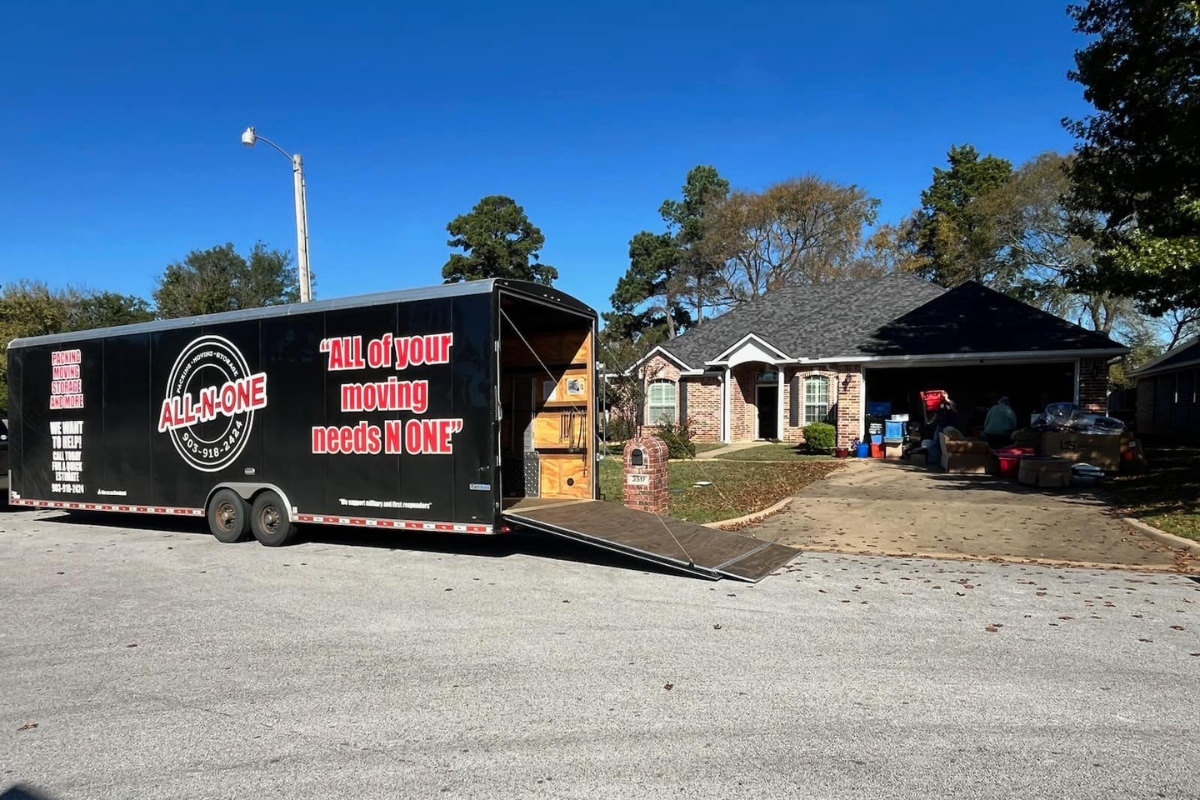
Damage prevention starts long before the truck arrives. All-N-One Moving packs with sturdy materials, proven techniques, and a crew that treats every box like it holds something priceless. Fewer bumps and smarter handling keep breakage rare.
Local knowledge shapes every job across East Texas. A crew that knows Longview homes, apartments, and back roads plans the safest route from door to truck. New arrivals can also lean on the City of Longview relocation guide while settling in.
Curious how the team protects a move like yours? Our about-us page lays out the story, the service area, and the standards behind every packed carton. Reach out through the contact form for a straightforward, no-pressure estimate.
Frequently Asked Questions
Why do my moving boxes keep breaking at the bottom?
Weak bottoms usually come from a single tape strip and too much weight in one carton. Reinforce every seam with an H-tape pattern and keep each box near thirty pounds. Sturdy new boxes and even loading finish the job.
What is the best way to pack dishes so they survive a move?
Wrap each plate and glass separately, then stand plates on edge inside a well-cushioned dish-pack box. Fill every gap with paper so nothing shifts, and label the carton fragile. Extra padding on the bottom and sides adds another layer of safety.
Are new moving boxes really worth the cost?
Fresh corrugated boxes hold far more weight than softened grocery or liquor cartons that have already absorbed moisture. Spending a little on quality boxes prevents broken items and replacement costs that dwarf the savings. Reused boxes work only for light, non-fragile things.
How heavy should a moving box be?
Around thirty pounds hits the sweet spot for most cartons, light enough to lift safely and easy on the seams. Heavy items like books belong in small boxes, while light, bulky things fill the large ones. A good test is a comfortable lift with no strain.
Should I hire professional packers or do it myself?
Small, simple moves often go fine with careful do-it-yourself packing and quality materials. Larger homes, fragile collections, and tight schedules usually favor professional packers who prevent damage and save time. Weigh your inventory, your timeline, and your peace of mind.
Pack Smart, Move Easy With a Longview Team You Can Trust
Broken boxes are not bad luck, they are the result of a few fixable habits. Match the box to the load, tape it right, fill the gaps, and stack heavy on the bottom. Do that, and your belongings ride safe from start to finish.
All-N-One Moving ranks among the moving companies Longview TX residents trust, bringing the materials, the method, and the local care that keep your boxes intact. Call (903) 500-9960 or request a free estimate today, and let a trusted East Texas team handle the heavy lifting.