
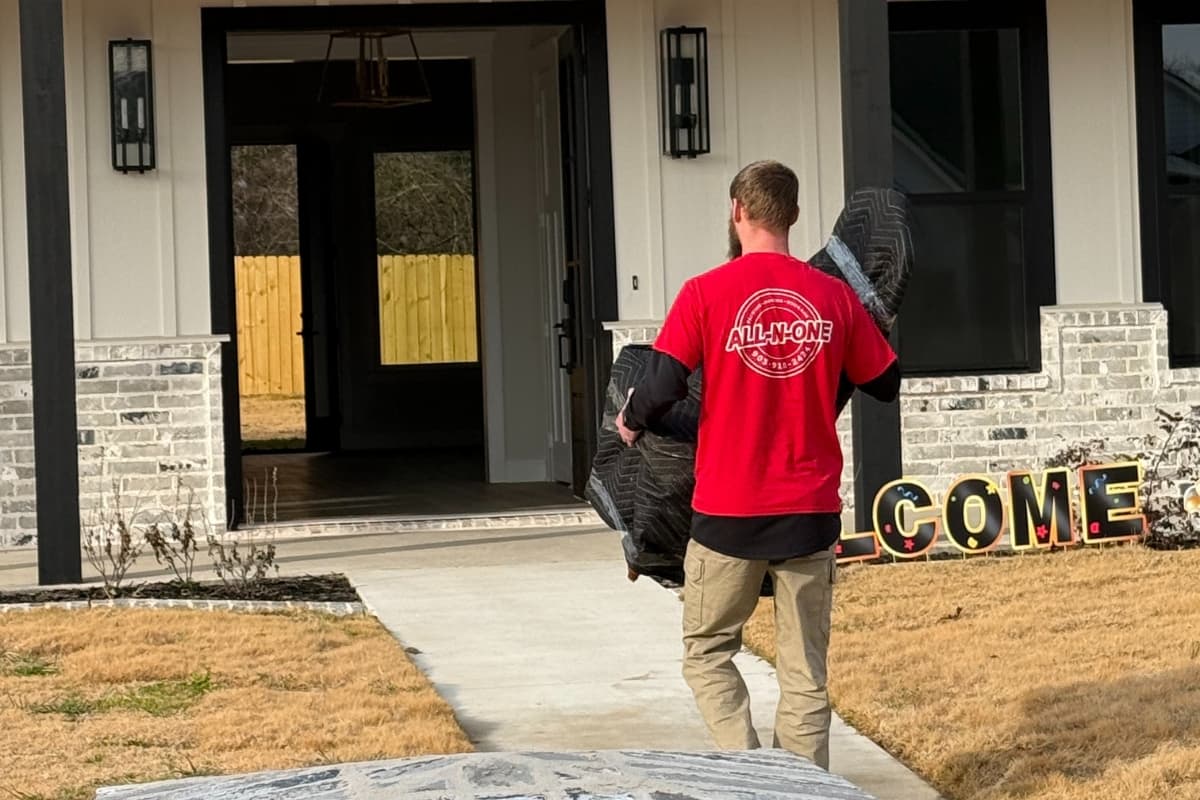
10 Things Every Person Must Know Before Hiring a Local Moving Service in 2026
Most people spend more time researching a new phone than vetting the company handling everything they own. One wrong hire leads to damaged belongings, unexpected charges, or a crew that never shows up on moving day, and by then, it is too late to fix it.
Hiring a local moving company in 2026 requires more than a quick Google search and a phone call. Knowing what questions to ask, what documents to request, and which warning signs to watch for before signing anything makes the difference between a smooth move and a costly mistake. Cover these 10 things first and protect every step of the process.
1. Always Verify Licensing Before Committing to Any Mover
Every mover operating in Texas must register with the Texas Department of Motor Vehicles before taking on any job. Ask for the company's TXDMV number and verify it on the state registry before booking. An unlicensed mover carries no legal accountability if items get damaged or go missing. All-N-One Moving operates under TX DMV #10187767C, which anyone can confirm publicly.
2. Confirm the Company Carries Full Moving Insurance
Not all moving coverage offers equal protection, and most people do not ask about it until after something breaks.
Released Value vs. Full Value Protection
Released value coverage pays only a few cents per pound per item. Full value protection holds the mover accountable for repair, replacement, or reimbursement at actual market value, making it the stronger option for anything valuable.
What to Ask Before Signing
Ask directly: "What valuation coverage comes with my move, and what does an upgrade cost?" Get the answer in writing before moving day.
3. Read Reviews Across Multiple Platforms, Not Just One
Star ratings on a single platform paint an incomplete picture. Cross-reference Google, Facebook, and BBB to get a fuller view of any mover's track record. Look for repeated complaint patterns around billing disputes, damaged items, or missed arrival windows rather than focusing on overall scores. Note how management responds to negative feedback, and prioritize reviews posted within the past six months.
4. Get a Written Quote — Never Rely on a Verbal Estimate
A verbal quote holds no weight if a billing dispute comes up after moving day. Always get pricing documented before committing to anyone.
The Three Types of Moving Estimates
A binding estimate locks in a fixed price regardless of how long the job takes. A non-binding estimate can increase after the move. A not-to-exceed estimate sets a cost ceiling, meaning the final bill can come in lower but never higher.
Red Flags in Any Written Quote
Watch for vague line items with no explanation, a quote far below every other company, and any mover who avoids putting numbers on paper before the job starts.
5. Understand Exactly How the Company Structures Its Pricing
Most billing surprises on moving day come from not understanding how a mover actually charges before the job starts.
Hourly vs. Flat-Rate Pricing
Local moves typically run on an hourly rate calculated by crew size plus truck fee. Flat-rate pricing locks in a single number regardless of time, which works better for larger or more complex jobs where hourly costs could climb unpredictably.
Hidden Fees to Watch For
Ask about every potential charge before confirming a booking:
Stair carry fees per flight
Stair carry fees per flight
Long carry charges when the truck cannot park close to the entrance
Long carry charges when the truck cannot park close to the entrance
Fuel surcharges not included in the base rate
Fuel surcharges not included in the base rate
Packing material costs billed separately
Packing material costs billed separately
Minimum hour requirements that apply even on short moves
Minimum hour requirements that apply even on short moves
Moving to East Texas? All-N-One Moving gives you a straightforward quote with no hidden charges. Get your free estimate today.
6. Ask About Experience With Your Specific Type of Move
Not every moving crew handles every job type well, and a mismatch between crew experience and move complexity causes most preventable problems.
Senior moves require extra patience, careful item handling, and clear communication throughout. Commercial relocations demand coordination around business hours, office equipment, and minimal downtime. Before booking, ask directly: "Have you handled a move similar to mine before?" A confident, specific answer tells you a lot about whether that crew is genuinely prepared.
7. Know Exactly What Services Are Included vs. Add-On
Assuming a quote covers everything leads to billing surprises after the job ends. Always confirm scope in writing before moving day.
Most movers include loading, unloading, transport, and basic furniture placement in their base rate. Packing, unpacking, furniture disassembly, packing materials, and storage almost always cost extra. Knowing exactly where the line sits between standard service and add-ons lets you compare quotes accurately across different companies.
8. Check What Equipment and Supplies the Company Uses
A professional crew arrives prepared. Ask what equipment and materials come standard on every job before confirming a booking.
Furniture pads and moving blankets for wrapped protection
Furniture pads and moving blankets for wrapped protection
Dollies and hand trucks for heavy items and appliances
Dollies and hand trucks for heavy items and appliances
Shrink wrap for upholstered furniture and fragile pieces
Shrink wrap for upholstered furniture and fragile pieces
Properly sized truck matched to the volume of the move
Properly sized truck matched to the volume of the move
Tie-downs and cargo straps to secure items during transport
Tie-downs and cargo straps to secure items during transport
Poorly equipped movers cause damage regardless of how careful their intentions are.
9. Understand the Company's Damage Policy Before Moving Day
Any reputable mover maintains a written claims process, if a company cannot produce one on request, that alone is a reason to walk away.
Before the crew arrives, take these four steps to protect yourself:
Photograph all furniture, electronics, and fragile items the day before the move
Photograph all furniture, electronics, and fragile items the day before the move
Note any pre-existing scratches or damage directly on the bill of lading before signing
Note any pre-existing scratches or damage directly on the bill of lading before signing
Keep a signed copy of the bill of lading for your own records
Keep a signed copy of the bill of lading for your own records
Confirm the claim filing window in writing, most companies set a deadline between 30 and 90 days
Confirm the claim filing window in writing, most companies set a deadline between 30 and 90 days
10. Know the Red Flags That Signal a Moving Scam
Moving scams target people who skip the vetting process, and several warning signs appear consistently across fraudulent operations.
Watch for these before handing over any money:
Demands for a large upfront cash deposit before the move begins
Demands for a large upfront cash deposit before the move begins
No verifiable physical business address or unmarked trucks
No verifiable physical business address or unmarked trucks
A company name that does not match what appears on the TXDMV registry
A company name that does not match what appears on the TXDMV registry
A quote dramatically lower than every other estimate you received
A quote dramatically lower than every other estimate you received
Holding belongings at the destination until additional fees are paid
Holding belongings at the destination until additional fees are paid
How to Verify a Mover Is Legitimate Before Paying Anything
Search the company's name in the TXDMV registry and confirm the registration is active
Search the company's name in the TXDMV registry and confirm the registration is active
Pull up the business address on Google Maps and verify a real location exists
Pull up the business address on Google Maps and verify a real location exists
Cross-reference reviews on at least two platforms and check for consistent complaints about billing or missing items
Cross-reference reviews on at least two platforms and check for consistent complaints about billing or missing items
Fraudulent movers rarely survive all three checks. Legitimate East Texas moving companies welcome that level of scrutiny.
Hire Right the First Time and Skip the Regret
Knowing what to verify, what to ask, and what to watch for before hiring anyone removes the guesswork and puts you in control from day one. Licensing, insurance, written quotes, pricing structure, crew experience, and damage policies each directly affect how a move goes.All-N-One Moving serves Longview, TX and surrounding East Texas communities as a fully licensed and insured moving company operating under TX DMV #10187767C. Contact us or request a free quote online to get straightforward pricing with no surprises.
FAQs
What should I ask before hiring a local mover? Ask about licensing, insurance coverage, how pricing works, and what the damage claims process looks like. Getting answers to all four in writing before signing anything protects you from the most common problems.
What should I ask before hiring a local mover? Ask about licensing, insurance coverage, how pricing works, and what the damage claims process looks like. Getting answers to all four in writing before signing anything protects you from the most common problems.
How far in advance should you book local movers? Booking at least two to four weeks ahead gives you better availability, especially during peak moving seasons like summer and end of month.
How far in advance should you book local movers? Booking at least two to four weeks ahead gives you better availability, especially during peak moving seasons like summer and end of month.
Are Texas movers required to be licensed? All moving companies operating in Texas must hold a valid registration with the TXDMV before legally transporting household goods.
Are Texas movers required to be licensed? All moving companies operating in Texas must hold a valid registration with the TXDMV before legally transporting household goods.
What happens if a mover damages something during a local move? File a written claim with the company within their stated deadline. Having photos taken before the move and a signed bill of lading makes the process significantly faster.
What happens if a mover damages something during a local move? File a written claim with the company within their stated deadline. Having photos taken before the move and a signed bill of lading makes the process significantly faster.
How do you spot a reputable moving company? Look for a verifiable TXDMV number, consistent reviews across multiple platforms, a real business address, and a willingness to provide a written quote before the job starts.
How do you spot a reputable moving company? Look for a verifiable TXDMV number, consistent reviews across multiple platforms, a real business address, and a willingness to provide a written quote before the job starts.
Ready to plan your move?
Talk to a real East Texas mover.


Ready when you are
Get your free quote in 60 seconds.
Flat price, no obligation, no hidden fees. Call us or fill out the form and we'll be in touch the same day.